

The Alchemy of Self: Transforming Internal Energetics for Personal Growth
Transform your life with internal alchemy. Learn to shift outdated energetics through awareness and mindfulness for personal growth and self-improvement.
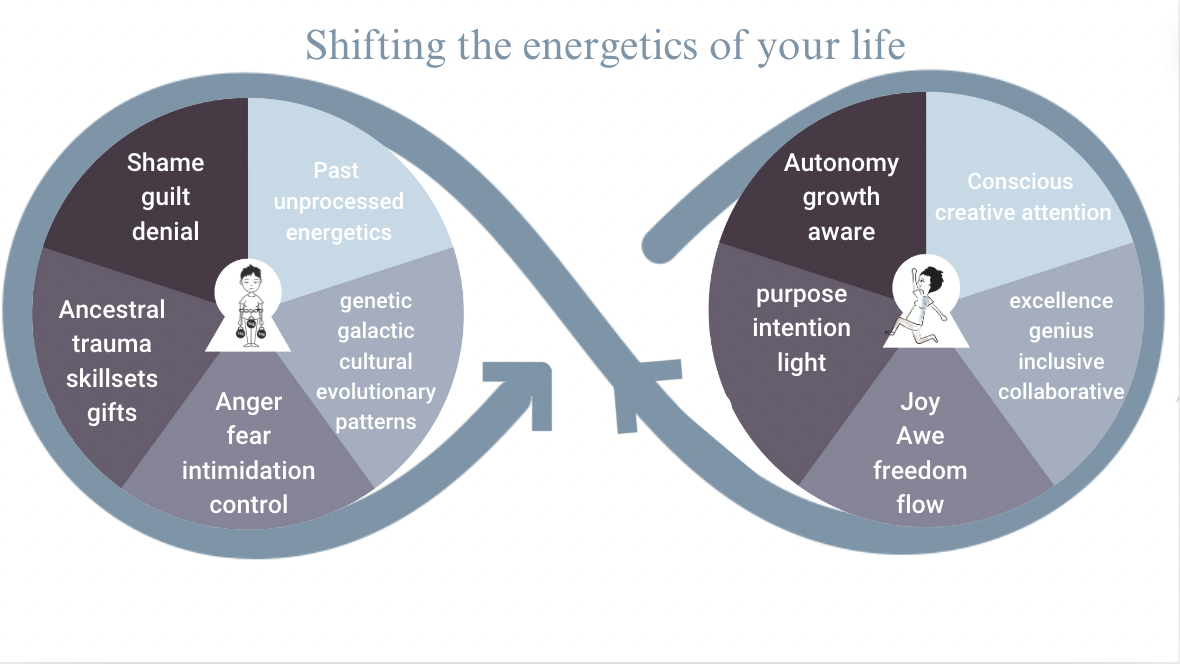
The Alchemy of Self
Alchemy has long been associated with the transformation of base metals into gold, yet there is another kind of alchemy available much closer to home. It takes place within the human instrument, in those moments when something that has been organising our experience becomes available to awareness and, through that meeting, is no longer required to remain in quite the same form.
Over many years of facilitating people through processes of human development, I have seen this happen in ways that can be subtle, immediate, surprising and sometimes quite profound. Someone may arrive wanting to understand a repeating relationship pattern, a fear around being seen, an emotional reaction that seems disproportionate to the moment, a contraction in the body, a belief they intellectually know is no longer true, or simply that familiar frustration of arriving at the same place despite understanding exactly how they got there.
We can know a great deal about ourselves and still find ourselves living the pattern. Intellectual understanding matters. Recognising where a belief or behaviour originated can create significant movement and give us a completely different relationship with our history. But there are times when the knowing hasn't yet travelled through the whole instrument. We understand something in the mind while the body, emotions or energetic organisation continue to respond according to something learned long ago.
This is where internal alchemy becomes interesting.
Our responses to life are not created through thought alone. The brain and nervous system participate, certainly, but so do sensation, emotion, memory, belief, perception, physiology, relationship and the energetic organisation of the person. Some patterns have been rehearsed so frequently that they have become familiar ways of meeting reality, while others seem to operate beneath conscious thought altogether.
We know them through their expression.
We hear ourselves saying the same thing again. We find ourselves choosing a familiar type of relationship. The body tightens in a particular situation. Our voice changes around a certain person. We become smaller, louder, pleasing, controlling, invisible or fiercely independent. We might consciously desire one thing while discovering that another part of the organism is moving in quite the opposite direction.
Rather than making these responses wrong, we can become interested in them.
What is actually happening here? What is moving through the body? What belief seems to accompany it? What does the organism appear to expect? Is there emotion, imagery, memory or an energetic quality attached to the experience? Does the response belong entirely to what is happening now, or has the present moment touched something familiar within us?
These aren't always questions that need immediate intellectual answers. In fact, one of the things I have witnessed repeatedly is that when we give the organism our attention without rushing to explain it, information can emerge through channels we might otherwise overlook.
A sensation moves. Breath changes. An unexpected emotion surfaces. An image appears. A memory that seemed irrelevant suddenly connects with something. We hear ourselves say a sentence we have probably spoken a hundred times before and, for whatever reason, this time we hear what is underneath it.
There can be a beautiful moment when something that has previously been fused into our sense of this is simply who I am becomes visible as an organisation or pattern within us. Nothing has necessarily disappeared, yet our relationship with it is already different because awareness is now participating.
This is one of the reasons attention plays such an important role in the work.
As we bring attention into the body, we become more sensitive to what is actually happening there. A contraction we might ordinarily rush to get rid of can become something we stay with for a while, not to indulge it or turn it into a problem, but to become curious about its composition. There may be emotion there, an old belief, an image, memory, energetic movement or simply a physical response whose intelligence becomes clearer through our willingness to listen.
Breath gives us another way of entering that conversation. In the processes of facilitation, Using the awareness and practices of breath is a powerful process of alchemy. Sometimes calm isn't what the experience is asking for. There may be anger that needs enough space to be felt, grief that has been beautifully contained, a boundary trying to find a voice, or excitement that feels remarkably similar to fear because expansion itself is unfamiliar.
At other times what emerges is harder to define. There may simply be movement, heat, charge, heaviness, vibration, contraction, spaciousness or a shift in the energetic tone of the experience. We don't necessarily need to hurry towards a label. As we breathe and remain present, we have an opportunity to experience what is happening before deciding what it means.
This is part of what I mean when I speak about internal energetics.
Being human is full of movement that we can feel directly. We experience contraction and expansion, vitality and heaviness, agitation and stillness, resonance, numbness, flow, charge. Some of these experiences can be understood through physiology and nervous-system function, others through emotion, psychology, memory and learned responses. Within my own work I also recognise energetics, consciousness and spiritual intelligence as dimensions of our experience, particularly when people begin perceiving information or movement that doesn't fit neatly within one explanatory model.
There is another part of this that I experience through the lens of emotional maturation: learning to meet the momentum of energy that is already here. Rather than immediately naming it, suppressing it, analysing it or allowing its familiar reflex to determine where it goes next, we can meet the energy in its isness — the actual movement occurring within the instrument now. This is where awareness becomes wonderfully practical. The charge itself can become material for conscious expression. Through movement, active breath, sound, attention moving into intention, or simply staying present long enough to feel what the energy is asking to do, we can discover that the momentum has more than one pathway available to it. What once moved automatically into anger may reveal power or a boundary; fear may contain an extraordinary amount of life waiting for movement; contraction may open into expression; grief may move through sound, breath or the body and reveal something we couldn't access by thinking about it. We are not pretending one emotion is another or trying to turn everything uncomfortable into something prettier. We are developing the emotional maturity to remain in relationship with the energy long enough for its intelligence to show us what else is available. This is experiential, and it is available to us through the very apparatus we are already living in. For me, this is where the steel-to-gold metaphor really earns its place: the raw material is not discarded; the same energetic momentum, met consciously, can find a different form of expression.
I don't feel the need to collapse these different dimensions into a single answer. We are multidimensional beings, and the richness is often in becoming sensitive to the conversation occurring between them.
A thought can change our breath. An emotion can move through the body. A shift in physical state can alter perception. Memory can arrive through an image. An energetic movement can reveal something before language catches up. Awareness itself can change our relationship with all of it.
The patterns within our body-mind organism can therefore be understood not as fixed objects but as living configurations shaped through genetics, experience, environment, relationships, beliefs, repetition, emotion, culture, conditioning and the countless ways life has moved through us. Some continue to support our expression beautifully. Others may still be organised around a reality that has passed.
Internal alchemy begins when those patterns become available to conscious relationship.
Not because the old pattern is bad and needs to be transmuted into something more attractive. If an organisation developed to protect us, belong, receive love or navigate an earlier environment, there was intelligence in its creation. We can honour that intelligence while recognising that what once served us may not be what we want organising our expression now.
This is where the alchemist gets to play.
We can feel what is happening rather than immediately escaping into explanation. We can breathe with it, move with it, listen to it and become curious about the beliefs or histories travelling alongside it. We can direct attention towards a different possibility and explore what qualities such as freedom, love, courage, creativity, receptivity or expression actually feel like within our own instrument rather than merely deciding that we would like more of them.
Years ago I used the phrase “I feel, I heal, I transmute.” There is still something in that language that I love, although my understanding of it has matured. Feeling isn't a guarantee of healing and not everything uncomfortable needs to become another personal-development project. What feeling can do is give us access to material that intellectual understanding alone may only circle around. It allows what has been organised within us to become part of our direct experience, where a different relationship with it becomes possible.
Sometimes change from that meeting is surprisingly quick. At other times it marinates.
The organism isn't a machine into which we insert awareness and receive transformation on demand. Some patterns soften through one very clear experience; others reorganise through repetition, relationship, attention and time. Different dimensions of us can also mature at different rates. We may comprehend something intellectually long before it becomes emotional knowing, embodied response or lived expression.
What matters to me is what eventually becomes visible in life.
Does someone who has spent years knowing they are worthy of being heard begin to actually speak?
Can we remain connected to ourselves in a relationship where we previously disappeared?
Does creativity that has been sitting behind fear begin finding form?
Can we meet a familiar situation and discover that the response that once seemed inevitable is no longer the only one available?
This is where alchemy moves beyond an interesting internal experience. Something has changed in the way we participate. To me, that is gold.
Not the elimination of discomfort or the creation of some permanently coherent human being floating blissfully above the messiness of life. Our humanity is far too magnificent for that.
The gold is greater availability.
More of the organism present to what is actually happening rather than automatically organised by what has happened before. More capacity to feel without being entirely driven by feeling, to think without every thought becoming truth, to listen to the body without making every sensation a problem, and to recognise energetic and intuitive information without abandoning discernment. As this relationship develops, we can become increasingly conscious participants in the way the instrument is tuned and this is where alchemy connects for me with our innate nature.
I experience something deeply coherent beneath much of the organisation we accumulate through life—not an untouched, perfect self hiding beneath our conditioning, but an intelligence carrying qualities that seem naturally inclined towards life: love, freedom, beauty, creativity, connection, curiosity, vitality and expression.
As some of the internal dissonance becomes integrated, those qualities can find a clearer passage through us. We don't have to manufacture them quite so forcefully. Their expression becomes more fluid because less of our energy is occupied maintaining an old configuration.
The image we project into life begins to refine accordingly.
The same world can be encountered through a different internal organisation, and therefore different possibilities become perceptible. We may see beauty where our attention once moved automatically towards threat, possibility where an old identity saw limitation, or another human being more clearly because we are no longer meeting them entirely through a history that belongs somewhere else.
That doesn't mean we create reality simply by thinking lovely thoughts. Life remains gloriously uncontrollable, and the full spectrum of human experience belongs here. It means that the instrument through which we perceive and participate in life matters.
And because none of us exists in isolation, what changes within us doesn't remain entirely within us either. Our internal organisation finds expression through voice, relationship, choices, creativity, touch, leadership, parenting, presence and all the subtle ways human beings influence one another.
A different internal tone enters the room. Another person receives it. Something different becomes possible between us.
This is where individual alchemy begins touching the relational and collective field. We are influenced by the environments in which we live and, through our expression, continually contribute something back into them. As awareness changes the way we participate, the information we offer the field changes too.
Perhaps this is why the old image of the alchemist still speaks to me. The raw material was never something to discard.
Our conditioning, emotional responses, beliefs, bodies, histories, nervous-system patterns, energetic movements and even the parts of ourselves we have spent years wishing were different all contain information. When we learn how to meet that material with awareness, curiosity and enough capacity to stay in relationship with it, what once appeared to be the obstruction can become part of the intelligence through which we develop.
We don't throw away the base metal. We discover what else it can become and somewhere within that process, more of our innate nature becomes available to move through the skin and take form in the life we are actually living.
Continue the exploration
Discover Worlds Within explores the human sleeve — body, mind, emotions, nervous system, energy, spirit and consciousness — and invites us to get our skin in the game, developing a lived relationship with the intelligence, conditioning and possibility moving within us.
Practical Steps to Internal Alchemy
Be Present to Your Body: Ground yourself in the present moment. This involves being aware of your body and its sensations.
Feel Your Bodily Sensations: Pay close attention to how your body feels. This might include noticing areas of tension, discomfort, or other sensations.
Breathe and Breathe Again: Deep, mindful breathing helps to calm the nervous system and brings more awareness to your current state, while gaining access to the mass of energetic internal happenings so you can consciously do something with them.
Direct Your Attention: Focus your attention on the areas of your life you would like to change. This conscious direction of your focus is where the alchemical process begins.
Exploring Internal Energetics
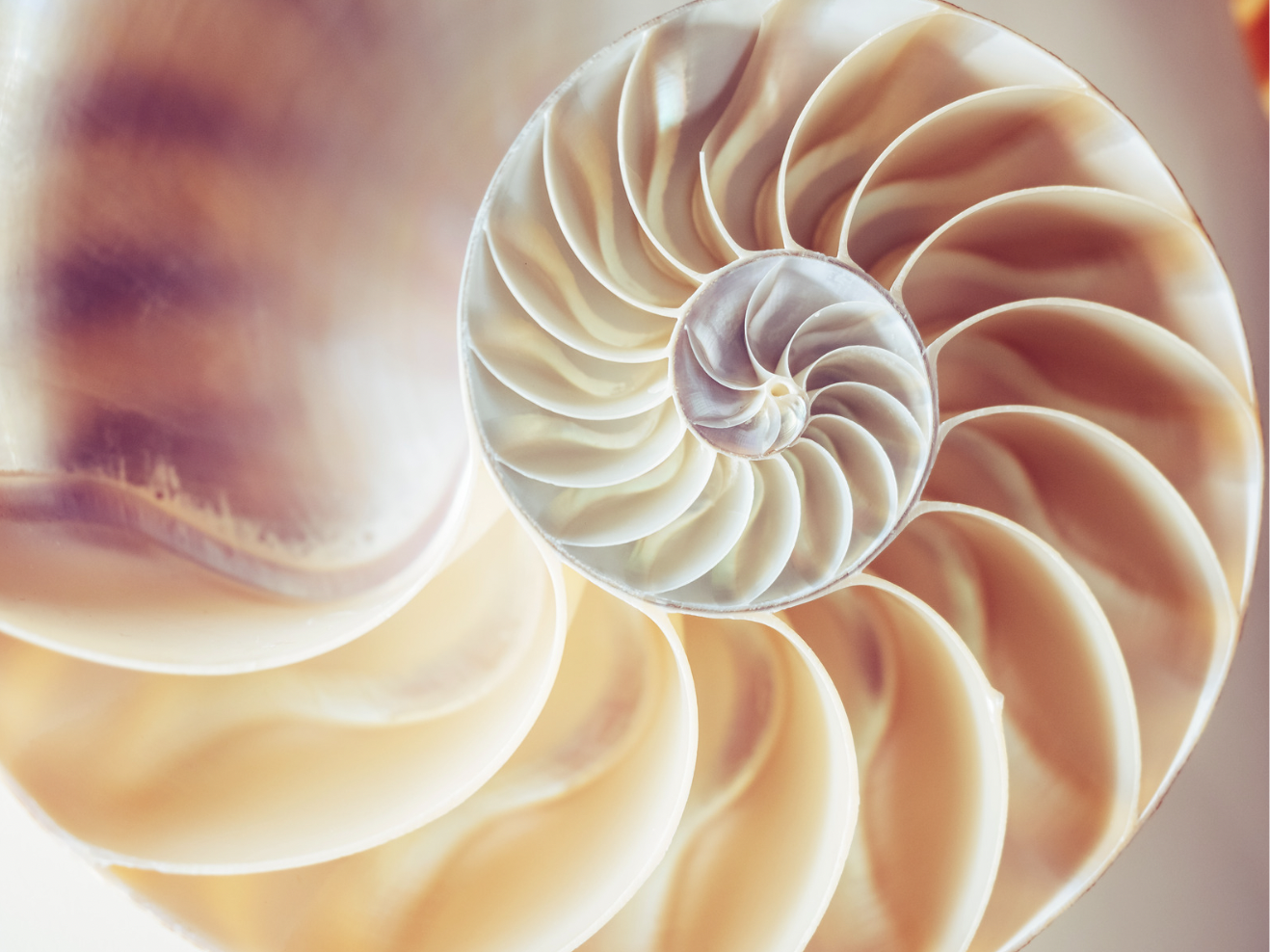
Looking at this image attached represents the patterns of internal energetics within our body/mind organism. This image can help you explore patterns within the skin and what they are made up of and direct those patterns that no longer serve you into new desires or qualities of change. By becoming present with your body, feeling your sensations, and consciously breathing, you create a space where you can direct your attention and life force towards transformation.
In essence, becoming aware of your reactions and beliefs, feeling deeply into your sensations, and consciously choosing where to direct your attention allows you to become an alchemist of your own life. This internal process of alchemy leads to profound personal transformation and the realisation of your highest potential.

#PersonalGrowth #SelfTransformation #InnerAlchemy #Mindfulness #SelfAwareness #EmotionalIntelligence #Neuroscience #MentalHealth #SelfImprovement #ConsciousLiving #HolisticHealth #Transformation #Wellbeing #MindBodyConnection #InnerPeace

The art of process
The art of process, evolve yourself® with Marie Louise
What if life isn't asking us to arrive, but to participate?
There is an intelligence to process. We can see it everywhere in nature.
A seed contains possibility, but possibility alone does not make a garden. Soil matters. Water matters. Light matters. Timing matters. The environment matters and there is something within the seed itself that knows how to move towards expression.
Perhaps we are not so different.
Our lives are continually being shaped through the relationship between what is within us and the environments in which we live; our experiences, relationships, conditioning, attention, choices and the ways we respond to what life presents.
And within that relationship is something powerful:
Our capacity to consciously participate.
We Are Always in Process
Human development is often spoken about as though there is somewhere we are supposed to arrive.
A better version of ourselves. More healed. More evolved. More successful. More spiritual. More together.
But what if the invitation isn't to finally become finished?
What if it is to become increasingly available to the process of being alive? Our bodies are continually responding.
Our nervous systems are continually receiving information. Our emotions move. Our thoughts change. Our relationships reveal us. Our environments affect us. Life happens. And through all of it, something is continually being expressed, reorganised, discovered and created.
When we begin to pay attention to this movement, development becomes less about manufacturing a new self and more about developing a relationship with the human being already here.
Attention Is Part of the Environment
We often think of environment as something outside us; the room we live in, the people around us, the food we eat, the culture we inhabit.
But attention is also an environment. What we repeatedly give attention to influences what becomes familiar.
The stories we rehearse. The sensations we notice or ignore. The assumptions we continue to make. The possibilities we allow ourselves to perceive. This doesn't mean pretending everything is wonderful or using positive thinking to override what is actually happening.
It means becoming curious about the quality of attention we bring to our experience.
What am I nourishing?
What am I rehearsing?
What am I protecting?
What am I giving life to?
What might become possible if I brought awareness somewhere new?
Trust and Action
This is where the art of process becomes interesting. There is a dance between trust and action and subjective experience. Between listening and moving. Between allowing and choosing. Between recognising that life carries an intelligence of its own and recognising that we are not passive spectators within it. We participate. We can tend the soil. We can change environments. We can interrupt patterns. We can listen differently. We can choose where attention goes. We can become curious about our conditioning rather than unconsciously living from it. We can notice contraction without immediately making it wrong. We can act when action is called for and allow space when something needs time.
This is not control.
It is self-governance.
The capacity to be in relationship with what is moving through us while becoming increasingly conscious of how we meet it.
The Garden Doesn't Bloom by Force
There is something wonderfully humbling about a garden. You can create conditions that support life, but you cannot pull a flower open. You can water it. Feed the soil. Give it light. Protect it when necessary. Prune what no longer serves its growth. And then there is an element of allowing.
Human beings can be similar. Our fullest expression isn't necessarily something we have to force into existence. Perhaps part of our work is creating the conditions in which more of what is already alive within us can emerge.
Awareness.
Attention.
Movement.
Rest.
Relationship.
Play.
Curiosity.
Love.
Challenge.
Expression.
Food/thoughts/friends
All become part of the environment. And importantly, so do the difficult parts of being human.Process isn't only the beautiful blooming.It is also the compost.
The uncertainty.
The seasons when nothing appears to be happening.
The things that fall away.
The moments that ask us to meet ourselves differently.
Nothing in nature blooms continuously.
From Potential to Expression
Potential is an interesting word. We can spend our lives trying to reach our potential as though it exists somewhere ahead of us. But perhaps potential is not simply a destination. Perhaps it is something life continually invites into expression. A possibility becomes an action. An intuition becomes a choice. A feeling becomes communication.An idea becomes creation. An awareness changes a response.
Something once unconscious becomes visible, and suddenly another possibility exists.
This is where process becomes practice and practice becomes expression. Not through perfection.Through participation.
Get Your Skin in the Game
We don't learn the art of process only by understanding it intellectually. We experience it through
Our bodies.
Our relationships.
Our reactions.
Our creativity.
Our choices.
Our grief.
Our joy.
Our resistance.
Our desires.
Our willingness to begin again.
The human organism becomes both the instrument and the place of inquiry and perhaps that is part of the extraordinary opportunity of being alive: to become curious about the life moving through us, to participate consciously in its unfolding, and to create the conditions in which more of our innate nature can find expression.
This is an invitation to tend the garden. Give attention to the soil. Notice what you're feeding. Pull a weed occasionally. Plant something wildly optimistic. Leave some room for things you didn't plan and trust that not every stage of becoming needs to look like a flower.
You are not a finished product.
You are life in process and there is an art to participating in what wants to bloom.
Continue the exploration
Discover Worlds Within is an experiential exploration of the human organism — body, mind, emotions, energy, nervous system, spirit and consciousness — and what becomes possible as we develop greater awareness of the life moving through us.